

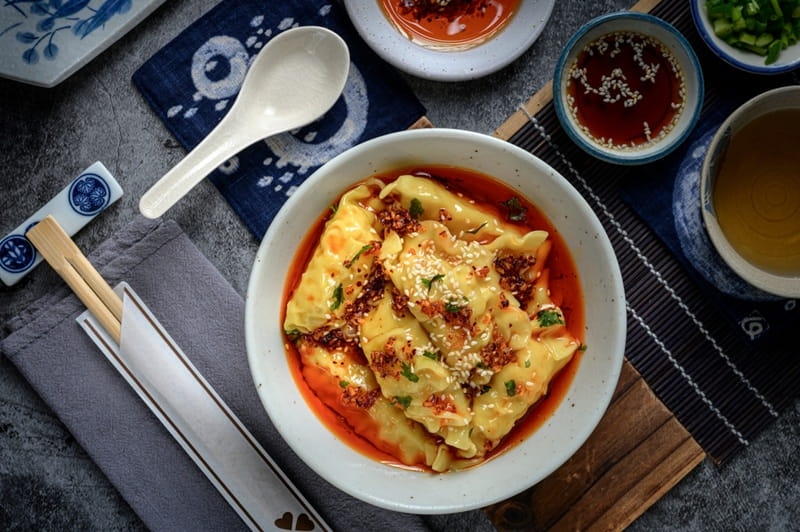
Sichuan cuisine, undoubtedly one of China's most beloved culinary traditions, features bold flavors, aromatic spices, and a diverse array of unique cooking techniques. If you are a lover of good food and you want to experience something thrilling, then Sichuan spicy dishes are going to excite your palate like never before! The intense mala flavor in local cooking, as well as the various methods of preparing Sichuan dishes, demonstrate how this style of cuisine brings together the sometimes conflicting elements of heat, aroma, and texture in perfect harmony. This article will provide you with a comprehensive overview of everything related to Sichuan cooking, from the types of chilis used in dish preparation to the regional dishes available.
It would be impossible to discuss Sichuan food without mentioning its signature spicy flavor, known as mala. Mala comes from Sichuan peppercorns or dried chilis and combines numbing and spicy flavors for an unforgettable sensation. Many dishes from the Sichuan region of China rely on layering flavors, achieved through specific cooking methods such as stir-frying, steaming, braising, and frying without oil.
Sichuan cooking focuses on more than just the taste; it also includes aromas and textures. Whether you're biting into a crunchy peanut in Kung Pao chicken or through the flakily cooked fish in Shui Zhu Yu (boiled fish), there's a wide variety of flavor profiles in every bite that food lovers have enjoyed around the globe!
The Mala flavor, which is the base of Sichuan cooking, is made up of two main flavors.
The "ma" (numbness) flavor comes from Sichuan pepper, and the "la" (spicy) flavor comes from red chili peppers. Together, the two flavors create a great-tasting dish with an interesting sensation on your tongue, where you enjoy the sensation of being both numb and hot. Some well-known dishes with this amazing flavor are Mapo Tofu, Chongqing Hot Pot, and Spicy Dry-Fried Chicken.
Chefs from Sichuan use many unique methods for cooking that allow them to maximize the flavour of their ingredients. The major techniques include:
By using these techniques in conjunction with carefully selected and blended varieties of chile peppers available in China, each dish is made to be full of flavour and characteristically Sichuan.
There is a wealth of variety in Sichuan’s diverse regional spicy food offerings, reflecting regional variations in spices, sauces, and ingredients.
For instance, Chongqing hot pot is a very popular dish, traditionally consisting of many different types of meat, vegetables, and tofu cooked in a boiling mala (spicy) broth, which makes for an exciting communal dining experience.
Other well-known dishes include:
Every dish on this list exemplifies how uniquely and creatively Sichuan's well-known spicy foods are within its region, and encourages your taste buds to always be excited by the food you eat.
Szechuan cooking is well-known for its use of spice; however, preparing Szechuan food is more than just spicing. Chefs work hard to combine a variety of flavors, including sweetness, umami, sourness, and mala, in order to ensure no one flavor stands out. This culinary philosophy creates dishes that are full of flavor but still complement one another. Additionally, Szechuan cuisine is distinguished by its use of local products, fermented sauces, and aromatic herbs, which give Szechuan food its distinctive, complex flavor. The spices and herbs used to make Szechuan food, such as fresh chiles, garlic, ginger, star anise, and Szechuan peppercorn, provide a great source of powerful flavors from nature.
Making authentic Sichuan food at home can feel overwhelming, but if you stick to the basics, it’s very achievable! Here are some tips that will help you along the way:
1. Stock up on the essentials: You'll need chili peppers, Sichuan peppercorns, doubanjiang (fermented bean paste), garlic, and ginger.
2. Master the heat: Heat is key to balancing flavors; use proper temperatures for stir-frying, braising, and simmering.
3. Use authentic sauces: Sichuan cuisine utilizes many sauces that add multiple flavors to your dishes, so don't forget them!
4. Practice mala flavors: Try combining numbing peppercorns and chili peppers together to create the distinctive mala taste.
5. Do not forget the garnishes: Fresh herbs, scallions, and roasted peanuts will help provide texture and improve the overall flavor of your dish.
If you take your time and follow these guidelines, you can easily create authentic Sichuan dishes from home and enjoy the same incredible taste as if you had gone to China.
Chili peppers have a long and interesting history in Sichuan Province. They were first brought to the region from Central and South America many years ago and have since become a staple of the local cuisine. Different types of Chinese chili peppers are well-known today for both their flavor and heat, and play an important role in many traditional Sichuan dishes, such as Hot pots, stir-fry dishes, and pickled vegetables.
The combination of chili pepper and Sichuan peppercorn is unique, creating the famous mala-flavoured dish found throughout the region. Chefs choose chilli varieties that give them just the right balance of heat, fragrance, and colour.
Drinks help suspend, lessen, or complement the intensity of Szechuan cuisine. A few popular pairings include:
Carefully pairing drinks with food will create a more enjoyable dining experience and help you savor each bite of regional spicy cuisine.
Sichuan Cuisine represents not simply hot and spicy food, but also defines the art of combining the fire of Sichuan spicy food, with the actual meaning of “ma la” (numby & hot), and the delicate “cooking techniques” used when preparing each dish.
If you are enjoying one of the regional specialties served at a Sichuan restaurant or cooking it at home, your knowledge of the chili peppers of China, Chinese cooking methods, and the chef's flavour combinations will help you appreciate the full experience of this world-renowned cuisine.
This will enhance every bite of your meal with the culture, history, and passion that have been passed down through generations in Sichuan’s culinary heritage.
Mala is created from a combination of numbness from Szechuan peppercorn and spiciness from chili peppers, providing a unique sensation of heat and tingling in your mouth.
Yes! The key ingredients for Asian cooking, such as chilies, Szechuan peppercorns, and fermented sauces (e.g., Doubanjiang, Chilli oil) can be found at most grocery stores. Therefore, it is very possible to produce authentic Sichuan food at your home, as long as you use proper cooking methods.
Some of the must-try dishes of Sichuan food include: Mapo Tofu, Chongqing Hot Pot, Kung Pao Chicken, Dan Dan Noodles, and Twice Cooked Pork. All of these highlight big, bold flavors.
Szechuan cuisine contains a lot of chili peppers and Szechuan peppercorns to produce the classic mala flavor and heat that characterize the traditional, bold flavors associated with this type of food.
Szechuan cuisine features a nice balance of numbing vs. spicy, aromatic ingredients, and complex cooking methods that together form multiple layers of taste and texture.
This content was created by AI