

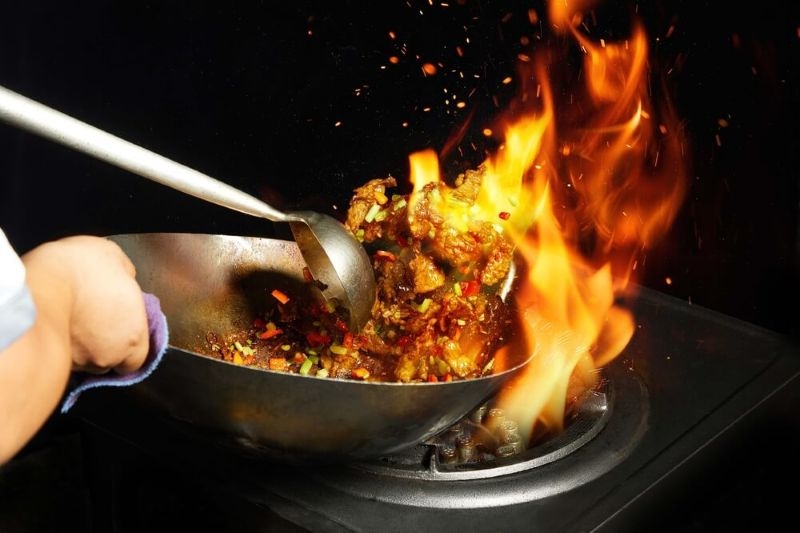
Traditional Chinese cooking has never been about shortcuts. It’s about patience, rhythm, and knowing when to wait and when to move fast. These methods weren’t created in culinary schools or TV studios. They grew quietly in family kitchens, passed down through muscle memory and shared meals. In this article, we’ll walk through Chinese cooking techniques that have shaped food culture for centuries, from the hiss of a hot wok to the calm steam rising from bamboo baskets. Along the way, you’ll see how these time-tested methods still matter, even if you’re cooking dinner in a modern American kitchen with a gas stove and a busy schedule.
Every cuisine has its backbone. In traditional Chinese cooking, technique mattered just as much as ingredients. Maybe more. These methods were built around balance, efficiency, and respect for food. Nothing rushed. Nothing wasted.
What’s interesting is how practical these approaches feel today. With rising interest in mindful eating and home cooking, many of these ideas fit right in. Let me explain how a few core methods shaped the culinary skills that China is famous for.
Chinese cooking techniques rely heavily on controlling heat. High heat isn’t the enemy. Mismanaged heat is. Stir frying, for example, demands quick movement and attention, while steaming asks for patience. It’s like driving a stick shift. Once you get the feel, it becomes second nature.
Before the pan even heats up, the knife does most of the work. Uniform cuts help food cook evenly and quickly. This wasn’t just about beauty. It saved fuel and time in old kitchens, which mattered a lot.
Stir-frying didn’t become popular because it looked cool. It caught on because it made sense. Fast cooking, minimal oil, bold flavor. Honestly, it feels designed for weeknights before weeknights were a thing.
This technique came from necessity, but it turned into an art.
Wok cooking basics start with understanding the pan itself. The curved shape spreads heat unevenly on purpose. The center stays blazing hot, while the sides offer cooler zones. That lets you move food around, controlling doneness without pulling it off the heat.
If you’ve ever cooked with a carbon steel wok from brands like Joyce Chen or Craft Wok, you know the difference. It reacts fast, almost too fast at first.
People think stir-frying is about speed. It’s really about rhythm. Toss, pause, toss again. You’re not rushing. You’re responding. Vegetables hit the pan first. Proteins follow. Sauces come last. There’s logic in the chaos.
And yes, it takes practice. Burn a few batches. Everyone does.
Steaming doesn’t shout. It whispers. And yet, it might be the most powerful technique in traditional Chinese cooking.
This method preserves flavor, texture, and nutrients without adding oil. No wonder it’s still beloved.
Bamboo steamers aren’t just charming. They breathe. That slight airflow prevents condensation from dripping onto food, which keeps textures right. Fish stays tender. Dumplings stay light.
You can stack layers, cooking multiple items at once. Efficient and elegant. That’s a recurring theme here.
When you steam food, there’s nowhere to hide. Freshness matters. Seasoning becomes subtle. Ginger, scallions, and a splash of soy. That’s often enough.
You know what? This technique pairs beautifully with modern wellness trends. Clean eating, plant-forward meals. Steaming has been doing that quietly for centuries.
After all that speed and steam, Chinese kitchens slow things down with braising. This is where patience pays off.
Braising uses gentle heat over time to build flavor. It’s comfort food before the term existed.
Red cooking gets its name from the warm color soy sauce gives to meat. Pork belly is a classic example. The meat simmers with aromatics until it turns rich and tender.
This method feels almost meditative. Check the pot. Adjust the heat. Walk away. Come back. It’s forgiving, which makes it perfect for home cooks.
In a culture known for fast cooking, braising offers balance. It uses tougher cuts of meat, stretches ingredients, and feeds many. During colder months, this technique really shines.
American kitchens already love slow cookers. Braising fits right in.
Roasting isn’t always the first thing people think of with Chinese food. But it’s been around a long time, especially in northern regions.
This technique brings bold flavor through dry heat and time.
Traditional roasting often involved hanging meats near open flames. Peking duck is the most famous example. The skin turns crisp while the meat stays juicy.
Modern ovens simplify this, but the principle stays the same. Airflow, spacing, and patience matter.
Roasting wasn’t just for special occasions. Sweet potatoes, chestnuts, and meats were roasted for daily meals, too. Simple food, deeply satisfying.
Before refrigerators, preservation wasn’t optional. It was survival. Chinese cooking techniques include clever ways to extend the shelf life of food without sacrificing flavor.
And honestly, these methods feel very current again.
Vegetables were pickled to last through seasons. Think mustard greens or radishes. Fermentation added complexity and nutrition, even if people didn’t talk about gut health back then.
The flavors are bold, sometimes funky, always memorable.
Meats and fish were salted and dried in the sun. This concentrated flavor made food portable. Great for travel. Great for storage.
You’ll see echoes of this in modern snack trends and charcuterie boards.
Here’s the thing. You don’t need a traditional courtyard kitchen or a coal stove to use these methods. A flat-bottom wok, a steamer insert, and some curiosity go a long way.
Chinese cooking techniques aren’t about perfection. They’re about awareness. Heat. Timing. Balance.
And yes, you can mix them. Steam vegetables, then stir-fry them lightly. Braise on Sunday. Stir fry on Tuesday.
Traditional Chinese cooking techniques weren’t built to impress. They were built to work. Over centuries, they shaped meals that fed families, respected ingredients, and adapted to change. From stir-frying methods that bring energy to the stove to steaming food, China perfected these approaches with quiet confidence, and they still belong in today’s kitchens. Whether you’re chasing comfort, health, or just better flavor, these techniques offer something steady in a fast-moving food world.
They focus more on heat control, timing, and texture rather than heavy seasoning or long baking times.
Yes. Start simple, prep ingredients first, and use medium-high heat until you get comfortable.
Absolutely. It fits well with modern health trends and works with many ingredients.
Not really. A wok, steamer, and sharp knife cover most needs.
This content was created by AI