

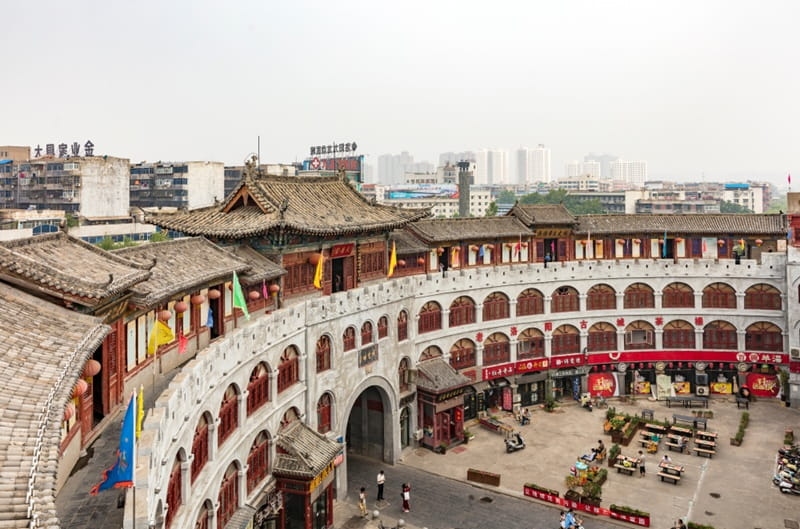
China's rich past can be found throughout its ancient capital cities, which remain visible today, having stood the test of time and serving as monuments to the great empires that ruled China throughout its history, the dynasties. The ancient capital cities of Xi'an, Luoyang, and Nanjing played a significant role in China's political history and also served as the main centers of the arts, culture, and religion throughout the various periods in which they existed. If you are a person interested in history or if you want to broaden your knowledge of other cultures, you should take a trip to Xi'an or go to Luoyang on a trip that will provide you with an opportunity to experience the heart of China and get a glimpse of what ancient China was like for people who lived in those times. A trip to any of China's ancient capital cities will provide you with a deeper understanding of China’s heritage, make for an unforgettable holiday, and allow you to experience the world's longest continuous civilization.
The historical city of Xi'an has always been regarded as an important center since its founding. Also known as Chang'an, Xi'an was the capital of over 12 dynasties, most notably the Tang Dynasty. Travellers come to this city to see the impressive Terracotta Army, ancient city walls, and iconic Big Wild Goose Pagoda.
Xi'an is a time travel destination. Walking the ancient roads of the city allows you to experience the vibrancy of the Silk Road. Visit the local market for authentic handmade crafts and sample local foods, such as famous Xi'an noodles and juicy lamb skewers, to enhance your historical experience.
Another ancient Chinese imperial capital is Luoyang, known as the "City of Emperors." It served as the capital of multiple dynasties, such as those of the Eastern Zhou and the Eastern Han. The history of Luoyang reveals a rich cultural heritage, including the Longmen Grottoes and their elaborate Buddhist sculptures, and the White Horse Temple, the first Buddhist temple in China.
Visitors to Luoyang can find many traditional Chinese gardens, ancient palaces, and crowded shopping areas, immersing themselves in ancient China. Traveling to Luoyang will offer one a unique opportunity to see how art, religion, and government changed throughout China's history.
If you are interested in ancient Chinese cities, Nanjing is an absolute must-see city. Nanjing has served as the capital of six dynasties; it combines the old-world charm of its history with the modern-day appeal of its many attractions. Some of the top tourist attractions in Nanjing include the Ming Xiaoling Mausoleum, the Sun Yat-sen Mausoleum, and the city walls, which extend for many kilometers.
Nanjing offers visitors the opportunity to walk its streets and see an example of blending old and new. Nanjing has vibrant street shopping areas, modern museums, and many temples; therefore, it is an ideal place for travelers to China who want to learn about the history and culture of the Chinese people. Nanjing offers visitors the opportunity to immerse themselves in China's history while enjoying a dynamic cultural atmosphere.
Xi’an, Luoyang, and Nanjing are the three most recognized locations associated with ancient Chinese capitals, but many important cities throughout Chinese history have played a significant role in shaping China's development.
Beijing is the present-day capital of China and the country's political and administrative center since the Ming Dynasty. The Forbidden City and the Temple of Heaven represent the architectural marvels of the Imperial dynasty.
Hangzhou is widely regarded as one of the most beautiful cities in China and is home to West Lake, a popular tourist destination, but it also served as the capital of the Southern Song Dynasty during its rise.
Kaifeng has many old temples and pagodas from the Northern Song Dynasty period, and it is also famous for its food and other local products. The rich history of Ka
Traveling to ancient Chinese capitals can be a once-in-a-lifetime trip if you put thought into planning out how to get there and what you want from your experience. Below are some helpful tips:
Plan Your Route: Prioritize visiting the three major dynastic capital cities, Xi'an, Luoyang, and Nanjing, so you can visit these types of places efficiently.
Hire Local Guides: Hiring local historians will help you get a better understanding of Luoyang's history or the Tang dynasty period in Xi'an.
Timing Matters: The best time to visit is during spring and fall for ideal weather and to avoid large crowds during peak tourist seasons.
Observe Cultural Customs: It is very important to respect local customs when visiting temples, tombs, and ancient palaces in China.
Incorporate Local Culture into Your Experience: In addition to trying local food and attending cultural performances, you can experience the true heritage of China by visiting local markets and other venues.
The ancient capitals of China played significant political, cultural, and economic roles. Xi’an helped drive trade along the Silk Road; Luoyang helped advance Buddhist art and literature; and Nanjing became a major symbol of dynastic power and stability.
All three of these cities were more than just political centers; they had an important impact on education, architecture, religion, and international relations. By understanding how these cities have evolved over time, travelers to China today can appreciate the vastness of their rich history and develop an understanding and connection to an ancient civilization that existed millennia ago.
When you visit the ancient capital city-states of China, you'll be doing far more than just visiting historical landmarks; you will literally travel through time and culture as you learn about the roots of one of Earth's oldest and most magnificent cultures! Every single one of these ancient capital city-states has its own unique history to share; some cities were once great centers of trade, others are bastions of spirituality, and still others have been destroyed by war and rebuilt over many centuries.
Many travelers who wish to experience the full depth of Chinese culture and history will discover that visiting each of these ancient city-states offers an opportunity for both knowledge and personal transformation through immersion in China's cultural heritage. No matter your specific area of interest (whether it is architecture, religion, politics, or something else), you are guaranteed to have an enriching experience exploring these ancient capital city-states long after your trip is over!
The significance of Xian is noteworthy and widely recognised as the most significant city because there were so many different dynasties that made it their capital city. In addition to this, Xian is recognised for the Terracotta Army.
The best way to fully appreciate the history of Luoyang is to visit the Longman Grottoes, the White Horse Temple, and the museums, and to hire a knowledgeable guide for this experience.
Ancient city walls, mausoleums, cultural streets, interaction with local artisans, sampling traditional cuisine - All of these areas represent the Chinese heritage. When you visit China, make your trip to Nanjing an opportunity to experience this heritage.
Beijing, Hangzhou & Kaifeng are all examples of ancient Chinese cities with historical and cultural significance and are therefore good options to consider along with Xian, Luoyang & Nanjing.
Spring and Autumn are considered the two seasons that offer the most favourable weather, fewer crowds, and all the necessary conditions for safely & comfortably exploring and enjoying the ancient capitals of China.
This content was created by AI