

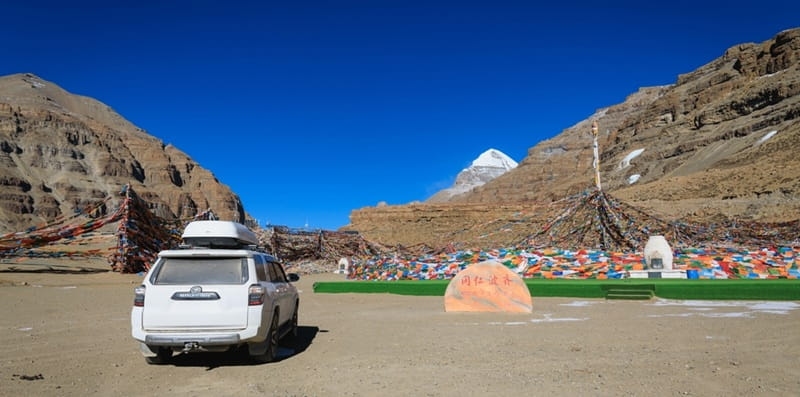
Some places feel like they change the way a person breathes. Tibet is one of them.
It’s not just the altitude, although that part is real and undeniable. It’s the wide skies, the high silence, the steady rhythm of daily spiritual life, and the way nature looks almost too big to fit into one view. People go expecting dramatic mountains. They leave remembering smaller moments too. A soft chant from a temple corner. Prayer flags snapping in the wind. A cup of butter tea that tastes strange at first, then somehow makes sense.
That’s what makes Tibet travel so memorable. It’s not a quick checklist destination. It’s a place that asks travelers to slow down, pay attention, and respect the environment and the culture. The reward is huge, but only if someone arrives with the right mindset.
This guide breaks down cultural highlights, natural wonders, and practical tips for curious travelers who want an experience that feels real, not rushed.
Planning Tibet travel starts with understanding that this region is different from most places people have visited. The elevation is high, the distances between stops can be long, and the culture is deeply rooted in spirituality and tradition.
One important note for international travelers is that Tibet typically requires special travel arrangements and permits, often organized through authorized tour operators rather than independent travel.
This isn’t meant to scare anyone. It’s simply part of the process. The best trips happen when expectations match reality from day one.
Now, beyond logistics, Tibet is about presence. It’s about stepping into a world where nature and belief systems have shaped daily life for centuries.
The first day in Tibet can feel weird. Head a little light. Sleep slightly off. Breathing feels shallow after stairs. Some people get a headache. Others just feel slow. That’s normal.
It’s also why the smartest thing a traveler can do is not over-plan the first couple of days. Going too hard too fast makes the body push back. When travelers arrive, they do better when they:
It’s not weakness. It’s altitude reality.
Lhasa is often the gateway for visitors, and it makes sense. It’s a place where history, religion, and modern life sit side by side. For many travelers, it becomes the emotional center of the entire trip.
Some of the most recognized Lhasa attractions are places where people don’t just visit, they practice. That’s the difference. Temples aren’t only architecture. They’re active spaces. People walk, spin prayer wheels, light incense, murmur prayers, and move with purpose.
In Lhasa, travelers can feel how Tibet culture lives in everyday routines. It’s not staged. It’s lived.
Many visitors want to see Tibetan monasteries, and they should. But it helps to approach them with the right energy.
A simple rule: observe first, then take photos later (if allowed). Watch how locals move, where they pause, and how quiet they keep their voices. A monastery is often a working religious environment, not a museum.
Travelers should also keep small respectful habits in mind:
That kind of awareness makes the visit feel calmer and more meaningful.
Tibet’s landscapes look like they belong in a different world. Wide valleys, dramatic ridges, high passes, bright lakes, and open skies that don’t end. Some people come for culture and then get surprised by how emotional the scenery feels.
A big reason is scale. The land is vast and open. The horizon feels farther away than it should. Even the wind feels different.
For curious travelers, the best approach is not to “chase everything.” It’s better to choose fewer places and experience them fully:
This is a region where rushing ruins the point.
Many travelers get fascinated by Tibetan lifestyle, especially outside major tourist areas. Life often feels community-driven. People may gather in small groups, share meals, and rely on traditions that have been passed down through families.
Even in cities, visitors can notice cultural patterns:
It’s also important for travelers to stay humble here. Tibet is not a theme. It’s a place with real people living real lives.
Tibetan food surprises many visitors. Some dishes feel extremely comforting, especially in cold weather. Others taste unfamiliar at first.
Common experiences include:
The key is to try things gently. No need to force dramatic “eat everything” challenges. Just stay open, and the food starts making sense, especially after a long day outside.
A smart Tibet tourism guide approach usually starts with acclimatization, then expands outward.
A simple travel flow that works for many people:
This pace protects energy and helps travelers enjoy the experience rather than survive it.
And yes, it also reduces the chance of altitude ruining the trip.
Tibet isn’t complicated, but it does punish overconfidence.
Common mistakes include:
Weather and travel times can be unpredictable. A little buffer time helps more than people expect.
Now here’s the honest part. A lot of travelers leave Tibet quieter than they arrived. Not sad. Just quieter.
Maybe it’s the high landscapes. Maybe it’s the spiritual energy in the monasteries. Maybe it’s the way people move with patience. Whatever the reason, Tibet tends to slow the mind down.
That’s why Tibet travel is often remembered not only for photos, but for feelings. The kind of feelings that return months later when life gets loud again.
Now spaced out clearly for the second mention: Tibet culture feels strongest when travelers observe daily rituals with respect instead of rushing through attractions. Lhasa attractions often leave a deeper impression when visitors slow down and notice the human moments around them. Tibetan monasteries become more meaningful when travelers treat them as active spiritual spaces, not just historic landmarks. Tibet tourism guide planning works best when it prioritizes acclimatization and realistic pacing. Tibetan lifestyle can teach visitors a lot about community, simplicity, and resilience, even through brief interactions.
Yes, but travelers should take acclimatization seriously. Rest early, stay hydrated, and avoid over-scheduling the first few days to reduce altitude stress.
Many visitors start with major temples, spiritual walking routes, and local markets. The best experiences often come from observing daily life around these sites.
In most cases, non-Chinese passport holders need special permits and travel arrangements through authorized operators to enter and travel within Tibet.
This content was created by AI