

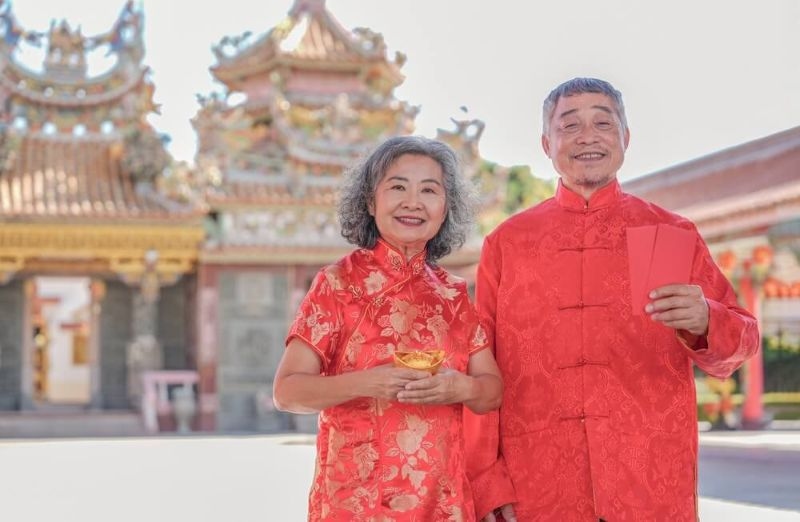
Clothing tells stories long before anyone speaks. Traditional Chinese clothing carries centuries of belief, beauty, and everyday life stitched into silk and cotton. Yet it is not locked in a museum. From streetwear in Los Angeles to fashion schools in New York, ancient Chinese dress keeps showing up in surprising ways. This piece looks at where it began, how it evolved, and why it still shapes Chinese fashion trends and global style today.
Traditional Chinese clothing is not a single outfit or era. It is a long conversation between generations. Each dynasty left a mark, and many of those ideas still show up in closets today.
Ancient Chinese dress grew out of philosophy as much as climate. Confucian values shaped modest cuts. Taoist ideas favoured balance and flow. Loose sleeves, layered robes, and soft lines were not just about comfort. They reflected harmony with nature.
Colors mattered too. Yellow signaled authority. Red hinted at joy and luck. Black carried strength and stability. You can still feel those meanings today when red dresses dominate Lunar New Year celebrations, even in San Francisco or Chicago.
Hanfu history often surprises people. This was not ceremonial wear only. It was daily clothing for the Han Chinese before later dynasties changed fashion rules. Long robes, cross collars, wide belts. Practical, graceful, and surprisingly adaptable.
What stands out is how Hanfu balanced freedom and form. It allowed movement yet followed social codes. That balance is part of why the modern Hanfu movement feels so natural rather than forced.
Ancient Chinese dress did more than cover the body. It told others who you were before you spoke. Sounds intense, right? But clothing often works that way, even now.
Patterns on robes spoke volumes. Dragons were reserved for emperors. Cranes suggested wisdom. Floral designs changed with the seasons. Spring meant blossoms. Winter leaned toward quiet tones.
This idea of clothing as language connects strongly with modern fashion storytelling. Think of how brands like Gucci or Dior build narratives each season. The instinct is old. The execution just changed.
There was structure, and plenty of it. Sleeve width, fabric type, and even shoe shape reflected rank. It sounds rigid, but it created visual clarity in society.
Interestingly, modern fashion pushes against that order while borrowing its visuals. Oversized sleeves appear on runways. Structured robes inspire modern coats. The rules broke, but the shapes stayed.
Now comes the twist. Young people are bringing traditional styles back, not because they have to, but because they want to.
The modern Hanfu movement is part fashion, part identity search. Many young Chinese Americans wear Hanfu during festivals or photoshoots as a way to reconnect. Honestly, it is similar to how some Americans rediscover vintage denim or cowboy boots.
Wearing Hanfu feels personal. It is not cosplay. It is cultural clothing from China reinterpreted for today. You see sneakers paired with flowing robes. Hair accessories mixed with modern makeup. It feels lived in.
Platforms like Instagram and TikTok play a big role. Short videos show how ancient Chinese dress fits daily life. Coffee runs. Bookstores. Park walks. Suddenly, tradition feels accessible.
Street style shoots help too. A Hanfu skirt with a leather jacket? It works. That unexpected pairing sparks curiosity, especially among fashion students in the USA.
Fashion loves cross-pollination. Chinese fashion trends have been quietly influencing Western designers for years.
Designers often borrow silhouettes rather than symbols. Flowing cuts. Layered looks. High waistlines tied with fabric belts. You see echoes of Hanfu history without direct imitation.
Brands like Vivienne Tam helped bridge that gap earlier. Today, even mainstream collections show subtle nods. Nothing loud. Just a sleeve here. A collar there.
American fashion tends to remix rather than replicate. Ancient Chinese dress inspires shapes, not replicas. That approach helps avoid turning culture into costume.
There is also growing awareness. Designers talk about respect and context. Fashion schools now teach cultural origins alongside technique, which feels like progress.
Some runway moments quietly shifted the mood. A draped coat that moved like a scholar’s robe. A wrap dress that echoed ancient closures without copying them outright.
What mattered wasn’t spectacle. It was a restraint. Designers let the influence breathe instead of shouting it. That subtlety made the references feel thoughtful rather than performative, and audiences responded with curiosity instead of skepticism.
Another shift is happening behind the scenes. Western designers are paying closer attention to how garments are made, not just how they look. Hand finishing, fabric weight, and balance suddenly matter more.
Ancient Chinese dress placed a deep value on construction and longevity. That mindset now resonates with American designers pushing back against fast fashion. The result feels familiar yet refreshed, like rediscovering vinyl records in a digital age.
Pop culture acts like a megaphone. When it amplifies something, the world listens.
Chinese historical dramas have huge international audiences. Flowing robes and elegant hairpieces catch the eye. Suddenly, searches spike. People want to know more.
Celebrities wearing Hanfu-inspired designs on red carpets help too. It shifts perception. Traditional Chinese clothing becomes fashion, not nostalgia.
Here is the tricky part. Appreciation versus misuse. Wearing cultural clothing in China carries responsibility. Context matters. Intention matters.
Many conversations now focus on education. Who made it? What does it represent? Those questions help fashion move forward without erasing meaning.
So where does this all lead? Somewhere interesting. Traditional Chinese clothing is not frozen. It adapts. New fabrics. Modern tailoring. Everyday wearability.
You know what? That flexibility might be its greatest strength. It honors the past without being trapped by it. And that is exactly what modern fashion craves.
Traditional Chinese clothing continues to influence how we dress, think, and express identity. From Hanfu history to Chinese fashion trends on global runways, its impact is steady and growing. Ancient Chinese dress proves that style does not expire. It evolves, travels, and finds new meaning with each generation. And honestly, that makes fashion feel human again.
It is known for flowing silhouettes, symbolic colors, and designs tied to philosophy and social values.
Yes, especially through the modern Hanfu movement, festivals, and cultural events across the world.
Designers borrow shapes, layer ideas, and balance rather than copying full outfits.
Yes, when worn with understanding, context, and appreciation rather than as a costume.
This content was created by AI