

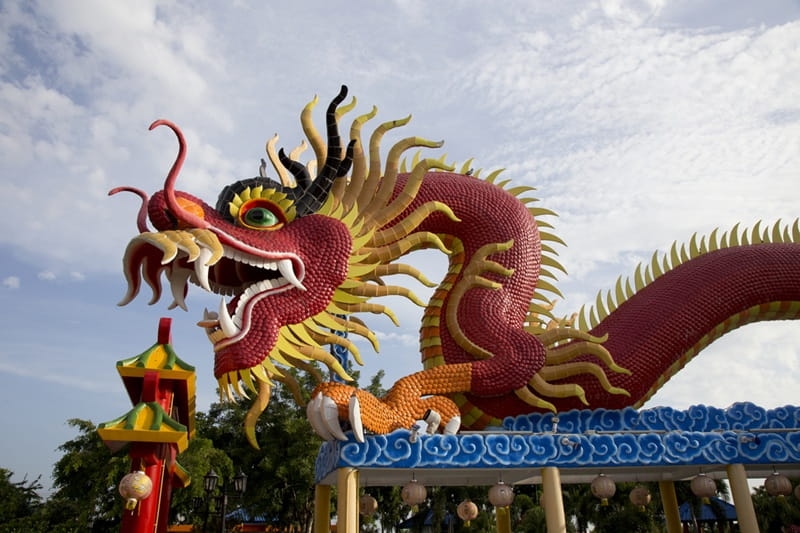
Dragons are a big deal in Chinese culture. Unlike the scary dragons in Western stories, Chinese dragons stand for wisdom, balance, and good luck. You see them in old stories, traditions, festivals, art, and just everyday life. If you want to get China’s culture, it helps to understand what dragons mean and how they shaped values, leadership, and identity for centuries.
This blog will tell you about the meaning of dragons in China, where they came from, and how they still have an impact today. It also explains Chinese symbols in a simple way.
There are around 5,000 years of records of people creating fantasies about dragons. Ancient illustrations have been found in jade, earthenware, and bones in ancient China, all illustrating different shapes of dragons. Early dragons were often related to natural forces such as water and river systems.
The dragon’s meaning in China was tied to survival. Back then, farming towns needed rain for crops, and they thought dragons controlled the rain and storms. If there was no rain, people prayed to dragons. If there were floods, people thought the dragons were mad.
As time went on, different groups mixed their animal symbols, which created the long, snake-like dragon with parts of different animals. This made the dragon a strong symbol for coming together.
Dragons are all about balance. They bring together heaven and earth, strength and gentleness, action and stillness. People often tie them to yin and yang—the idea that opposites actually fit together.
In Chinese culture, dragons aren’t scary beasts. Dragons are smart, strong, and protective, but they aren't mean. They use their power well, which sets an example for how leaders should act. A good leader, just like a dragon, cares for everyone and keeps the peace.
Dragons started to stand for success. If you worked hard and were a good person, you could become a dragon—you could improve your life.
A good example can be seen in the royal dragon culture history. Dragons became the symbol for the emperor, who was seen as the “Son of Heaven.” Only the emperor could use certain dragon images, like the five-clawed dragon.
The dragon’s meaning in China in this case was total power. The emperor’s chair was called the Dragon Throne, his robe had dragon designs, and it was thought that he brought order to the nation. This made people loyal and respectful to the leader.
Using dragons in royal buildings, clothes, and events helped define traditional symbolism in China during those times. Dragons weren’t just for show; they were political symbols that stood for things being right and having approval from above.
China is full of myths with gods, heroes, and spirits. Dragons are the most respected. They’re usually helpers instead of bad guys.
One story is about the Dragon Kings, who ruled the four seas and controlled the weather and water. These dragons could bring rain, stop storms, or cause floods. People built temples to honor them, hoping to live in harmony with nature.
Stories like these use Chinese symbols to tell stories. Dragons in myths taught people to respect nature, be responsible, and be balanced. These lessons were told and written down later.
Festivals are how the dragon culture lives on. The Dragon Boat Festival has been around for over 2,000 years, and it celebrates loyalty, courage, and community. Dragon boat races stand for strength, teamwork, and protection.
Dragon dances are another big tradition. During Lunar New Year, colorful dragon costumes move through the streets to bring luck and get rid of bad energy. These shows are the meaning of Chinese dragon symbolism, explained as something joyful and new.
Doing things with dragons was also common, especially when planting crops and harvesting. These things reflect the traditional symbolism China offers, where dragons connect people to nature and beliefs.
You see dragons all over Chinese art. They're in old paintings and new designs, and they're still a cool and important symbol. You'll find dragon carvings on pillars, roofs, and stairs in temples and palaces.
Artists draw dragons to show things like energy and how things move. The shape of a dragon is long and flowing, making it ideal for use in traditional brushwork, and it represents freedom and creativity. This type of artistry helps keep the dragon culture alive while evolving through time.
Dragons are often depicted as watching over areas of significance, representative of Chinese concepts of protection, prosperity, and harmonious living. To this day, people utilize dragon images in their homes or in public to attract positive fortune into their lives.
China has many make-believe animals like phoenixes, qilin, and tigers. But dragons are the most important. Phoenixes mean peace, and qilin mean kindness, but dragons have all sorts of good qualities.
What a dragon means in China is bigger than just one thing. Dragons stand for strength, smarts, protection, and luck all at once. That's why they're so important in Chinese symbols, explained here, and they change how people see other symbols, too.
When you look at dragons next to other make-believe animals, you see why dragons became the most powerful symbol in Chinese culture that has lasted.
Dragons are still a strong symbol of culture today. They're in movies, logos, sports teams, and parties. Now, dragons in China mean confidence, not giving up, and being part of the world. Things have changed, but the dragon still means progress from the past. This shows the same values that dragons meant thousands of years ago.
When you learn about dragons, you also understand the Chinese symbols you see now. Even in world culture, the Chinese dragon means good energy and being proud of your culture.
Dragons connect the past and now. They teach history, values, and who you are in a way that's easy to know and remember. Through dragon culture, people learn about respect, peace, and doing what's right.
As more people like Chinese culture, it's more key to understand dragons. It lets you like the art, parties, and beliefs more than just what you see on the surface. Dragons keep giving ideas for stories, traditions, and values, which shows they'll always be key in dragon culture history.
The dragon in China is not just a legendary animal. It is a symbol that has been so deeply embedded in the history, the belief system, and the people's lives that one cannot separate one from the other. By delving into the dragon's meaning in China, mythical creatures in China, and traditional symbolism in China, we understand how Chinese culture was formed and how it has survived till today.
Dragons are still a potent symbol that portrays the balance of human, nature, and the universe, thus making them one of the most significant symbols in Chinese civilization.
The Chinese dragon symbolism today stands for strength, luck, unity, and cultural pride. It is an expression of the traditional confidence and is mainly associated with celebrations and national identity.
The dragon, meaning China, is more about wisdom, protection, and balance, whereas Western dragons are typically depicted as destructive or evil.
In Chinese myths, the dragon is king. It stands for strength, goodwill, and a sense of the divine.
Well, dragons are key in Chinese symbolism because they mainly represent how heaven, earth, and people are all connected. This idea shows up in leadership, art, and what the culture values.
This content was created by AI